

Raw Milk, Local Cheese,
& Pasture Raised Eggs in Jacksonville
Most people don’t realize how far their food has drifted from what it used to be—until something finally feels real again. This is for the ones who’ve been quietly questioning it, and are ready to come back to food they can actually trust. We connect you with trusted regional farms producing food with care and transparency, bringing you closer to the source.
Your Source for All things Local
LOCAL PRODUCE
DAIRY
& EGGS
LOCAL
MEATS
LOCAL ESSENTIALS
Real Milk, the Way It Was Meant to Be
Not all milk is processed the same way—and understanding the difference can change what you reach for.
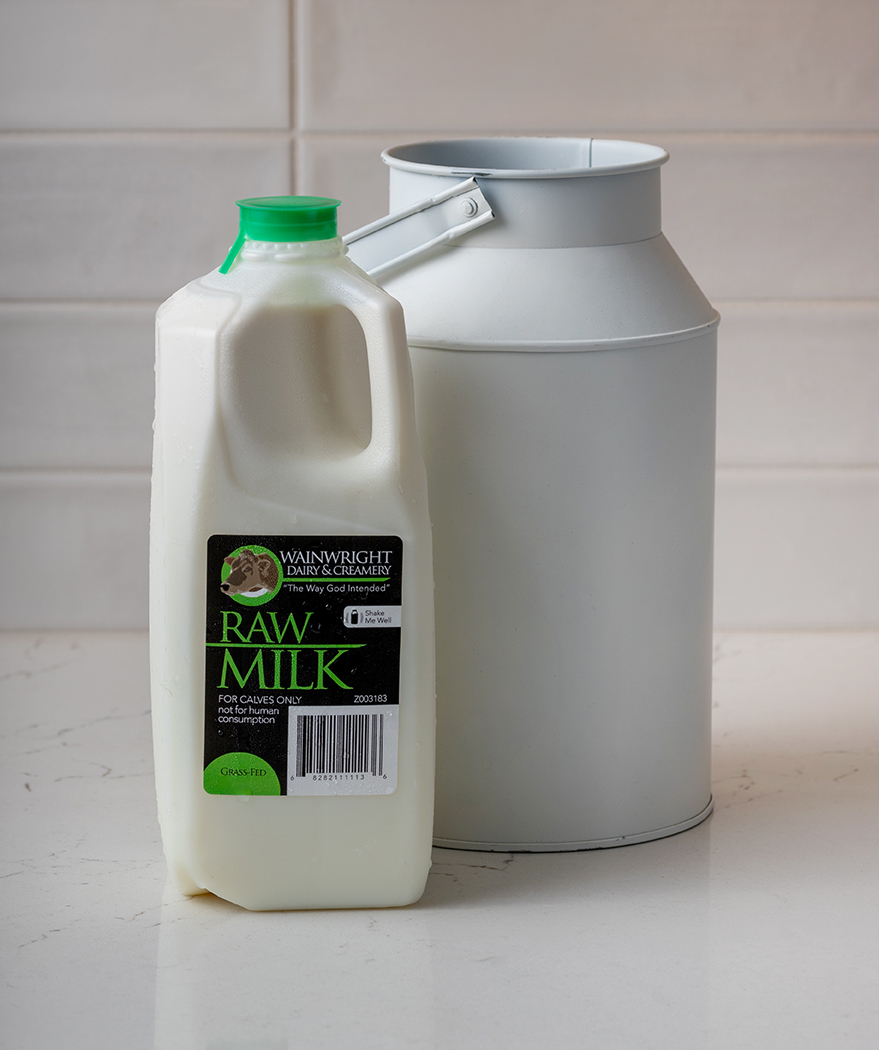
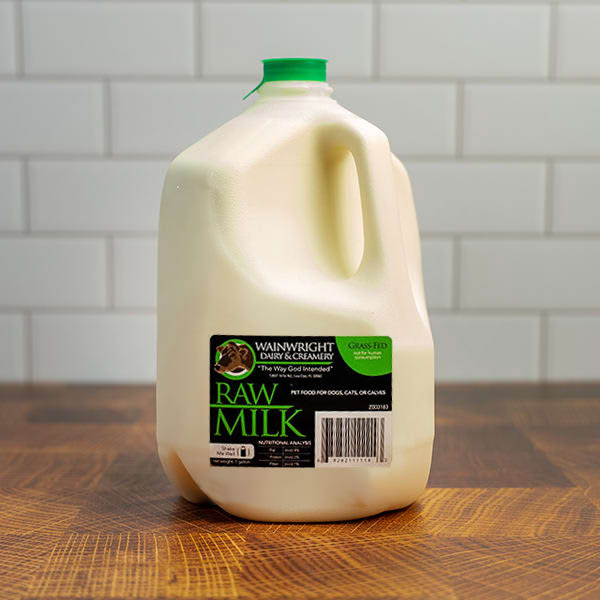
At Local Fare, we source our milk from Wainwright Dairy, giving our members access to both raw milk and vat-pasteurized, non-homogenized cream-top milk, along with other dairy favorites like cream and kefir.
What’s the Difference Between Raw Milk and Cream-Top Milk?
Raw milk is milk that has not been pasteurized. It comes from the farm without undergoing the heat treatment used to pasteurize conventional milk.
Cream-top milk is different. Ours is vat pasteurized but non-homogenized. That means it has been pasteurized, but the milk hasn’t been homogenized to permanently blend the cream throughout. Instead, the cream naturally rises to the top—just like the name suggests.
So, is cream-top milk the same as raw milk? No. Raw describes milk that hasn’t been pasteurized, while cream-top describes milk that hasn’t been homogenized.
Both offer something increasingly hard to find in the grocery aisle: milk with a closer connection to the farm that produced it.
For Local Fare members looking for raw milk or cream-top milk in Jacksonville, you don’t have to wonder where yours came from. We know the dairy behind it.
Local Cheese That Still Has a Story
Great cheese starts with great milk, but what happens next is where things get interesting.
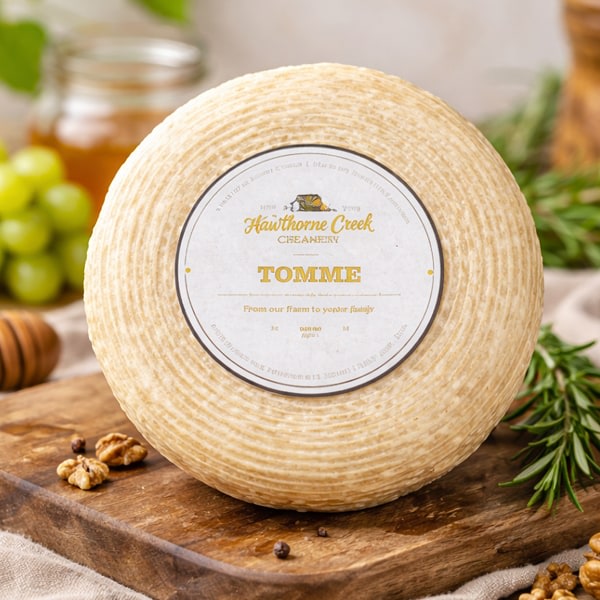
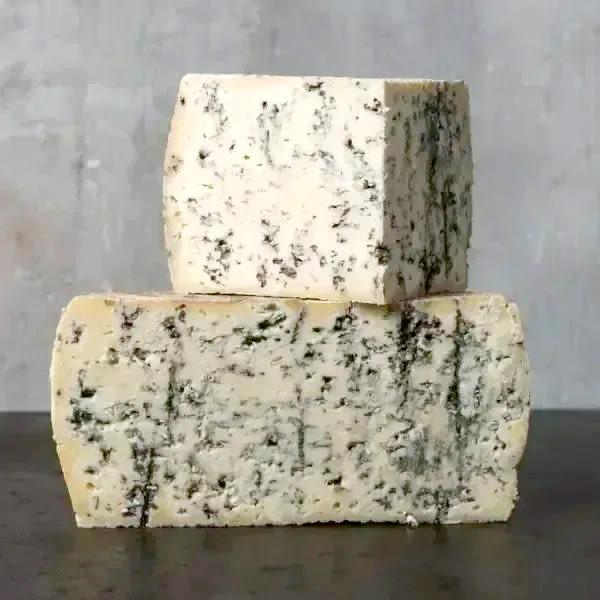
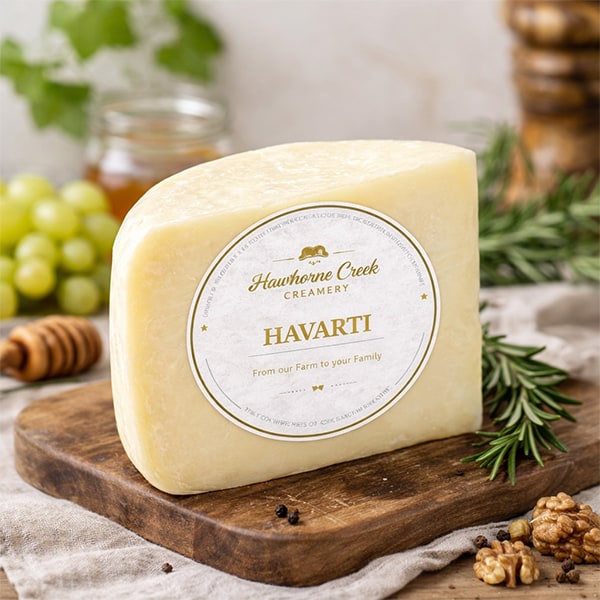
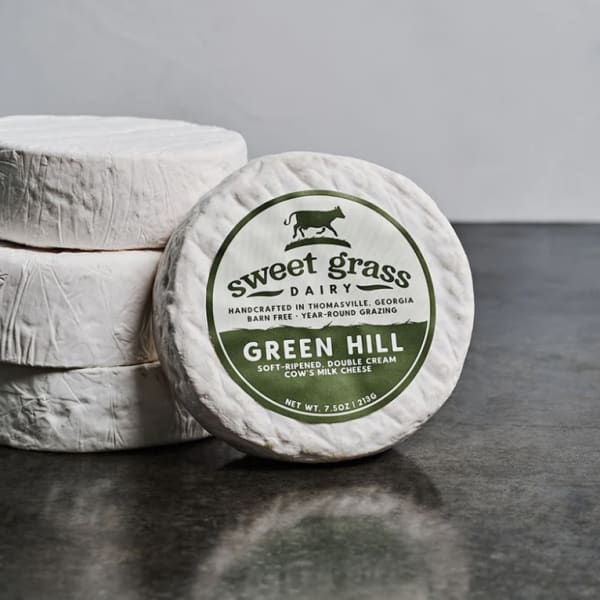
Local Fare sources artisan cheese from Hawthorne Creek Creamery and Sweet Grass Dairy, bringing our members cheeses made closer to home by producers who put craftsmanship and flavor ahead of mass production.
Our selection includes favorites like aged Gouda, Havarti, Swiss, Tomme, Pimento cheese, and other rotating varieties.
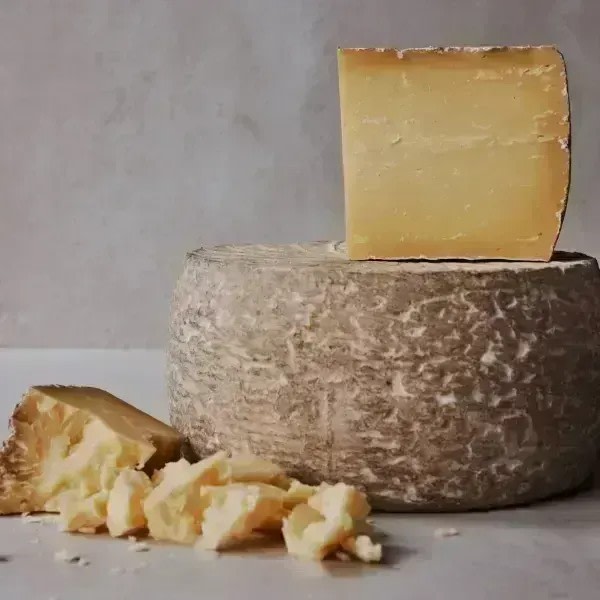
This isn’t the uniform cheese aisle most of us grew up with. Artisan cheese can tell you something about where it came from—from the milk and cheesemaking process to how long it was aged.
Sweet Grass Dairy’s Georgia Gouda, for example, is a raw cow’s milk cheese aged for more than 60 days, while its Thomasville Tomme is a farmhouse-style cheese inspired by the mountain Tommes of the French Pyrenees.
If you’ve been looking for local or artisan cheese near Jacksonville, you don’t have to travel to the creamery to discover something different. We bring a rotating selection of handcrafted regional cheeses right to our members.
Pasture-Raised Eggs That Look—and Feel—Different
An egg carton can say cage-free, free-range or pasture-raised, but those terms don’t all mean the same thing.
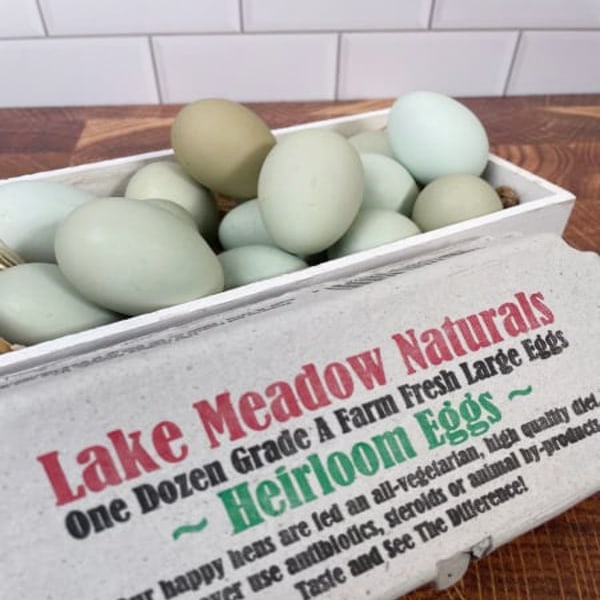
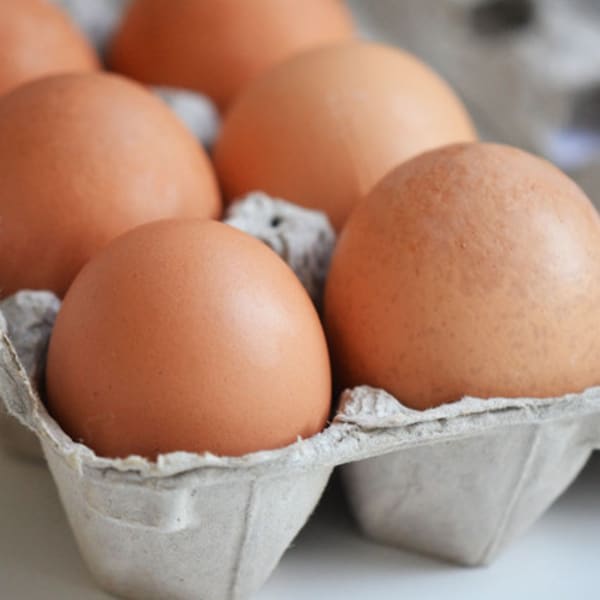
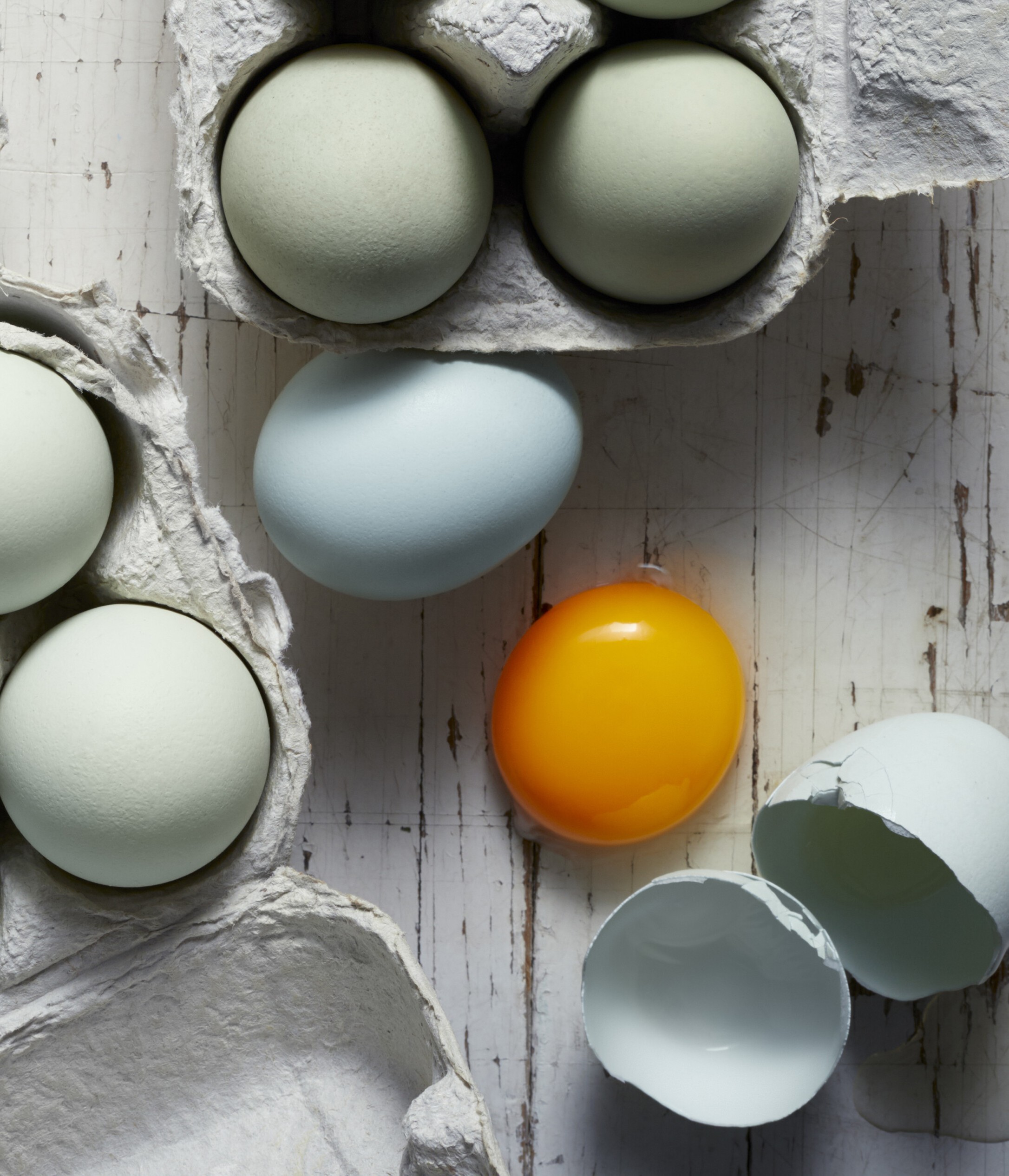
Our eggs come from Lake Meadow Naturals, and both our traditional brown eggs and Green Heirloom Eggs are pasture-raised.
Pasture-Raised vs. Cage-Free Eggs: What’s the Difference?
Cage-free doesn’t necessarily mean chickens are roaming outside. Under USDA standards, cage-free hens can roam within an indoor housing system. Free-range goes a step further and requires continuous access to an outdoor area during the laying cycle.
That’s why we want our members to know more than what’s printed on the carton. We intentionally source eggs from a farm raising its hens on pasture.
Brown Pasture-Raised Eggs
Our traditional pasture-raised eggs have the familiar brown shells you probably recognize, but they’re produced by hens raised on pasture rather than simply being marketed around the color of the shell.
And here’s something many people don’t know: brown shells aren’t what make an egg pasture-raised. Shell color is primarily determined by the genetics of the hen.
Why Are Some Chicken Eggs Green?
Our Green Heirloom Eggs get their beautiful green shells naturally—not from anything added to the egg.
Green egg-laying chickens typically carry genetics associated with blue shells along with brown pigmentation. The combination can create shells ranging from green to olive. Research has identified different pigments behind blue-green and brown coloration, which explains these distinctive shades. The inside is still the same pasture-raised egg you know and love.
Brown or green, both of the varieties we offer are pasture-raised eggs from Lake Meadow Naturals—and both give our members a closer connection to the farm behind their food.